Engineering Overview & Architecture
Comprehensive technical breakdown and system capabilities
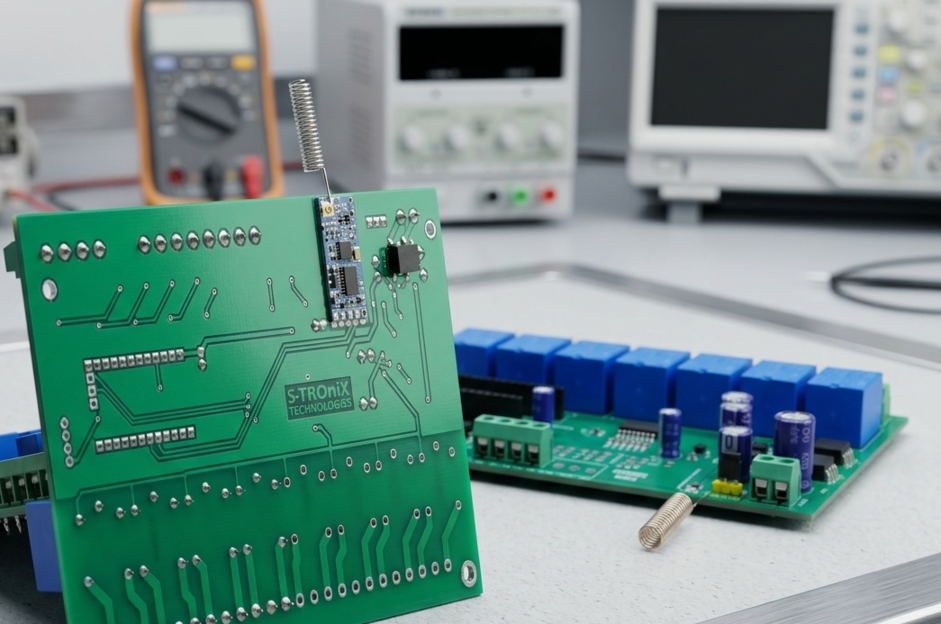
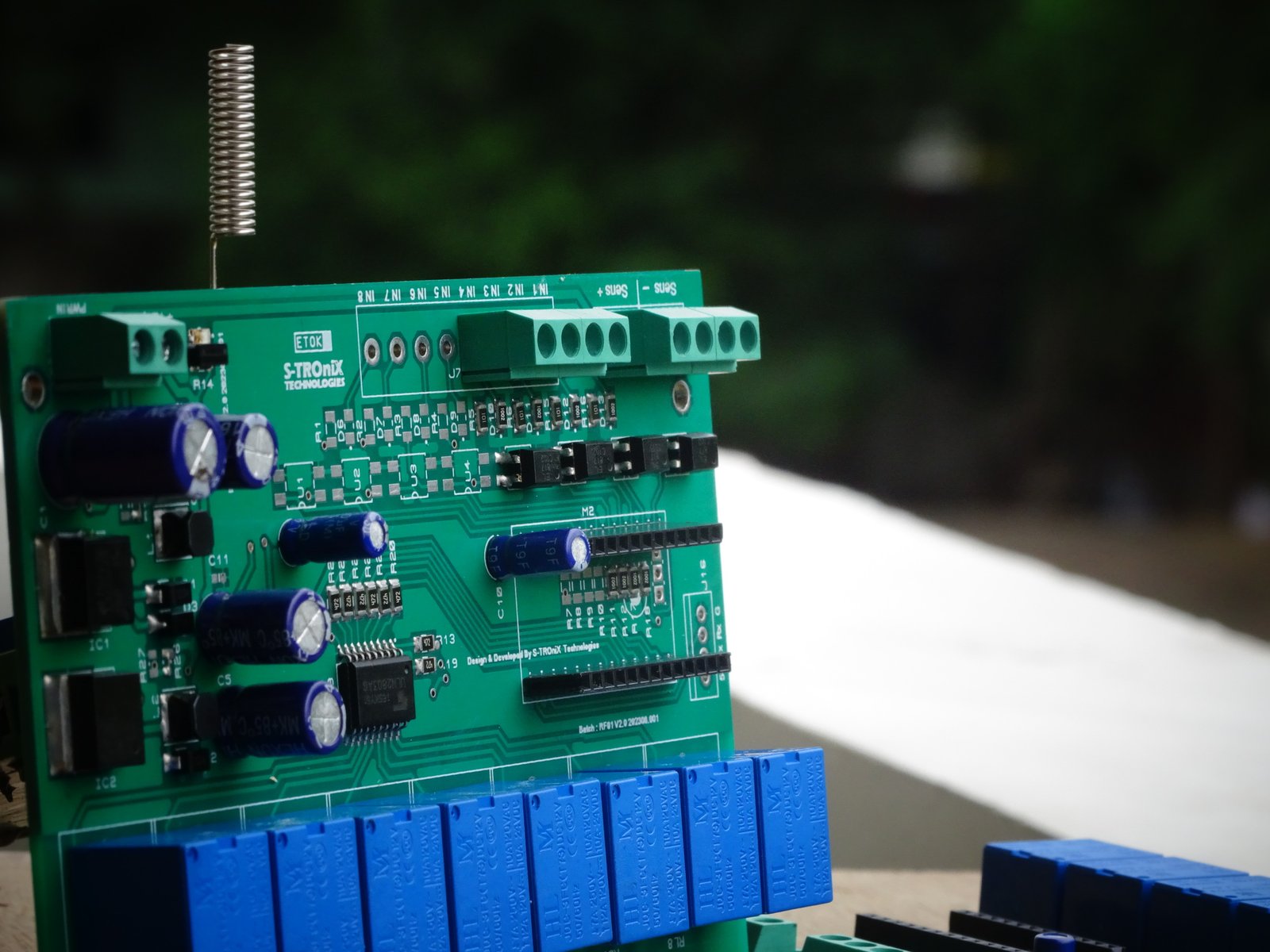
The Wireless I/O Transceiver Card is an industrial-grade remote telemetry and control module designed to replace complex physical wiring in harsh or expansive environments. Engineered for bi-directional communication, the hardware architecture is split into robust physical I/O handling and a highly adaptable RF (Radio Frequency) transmission layer, ensuring precise control logic synchronization across long distances.
Hardware & I/O Architecture
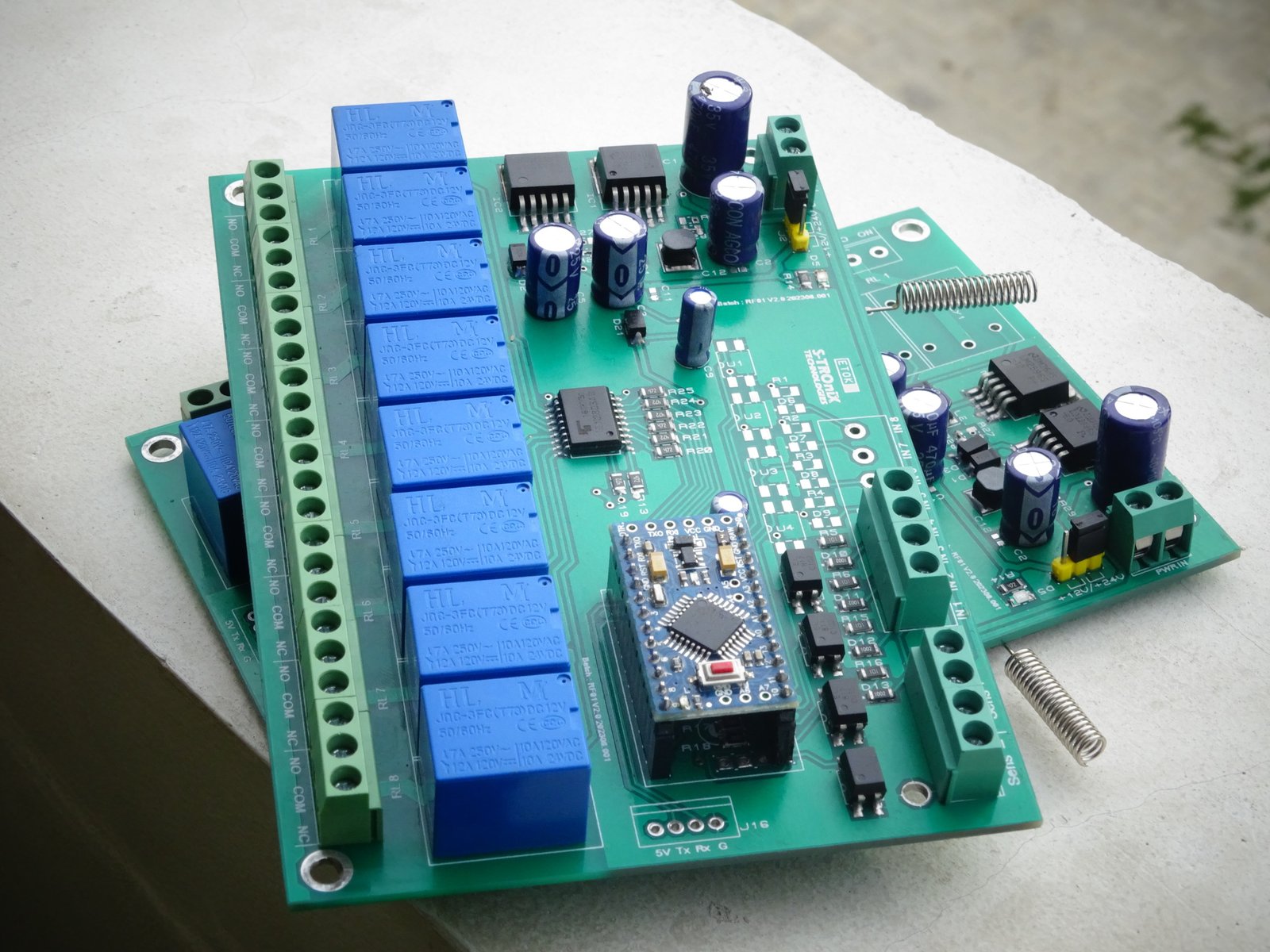
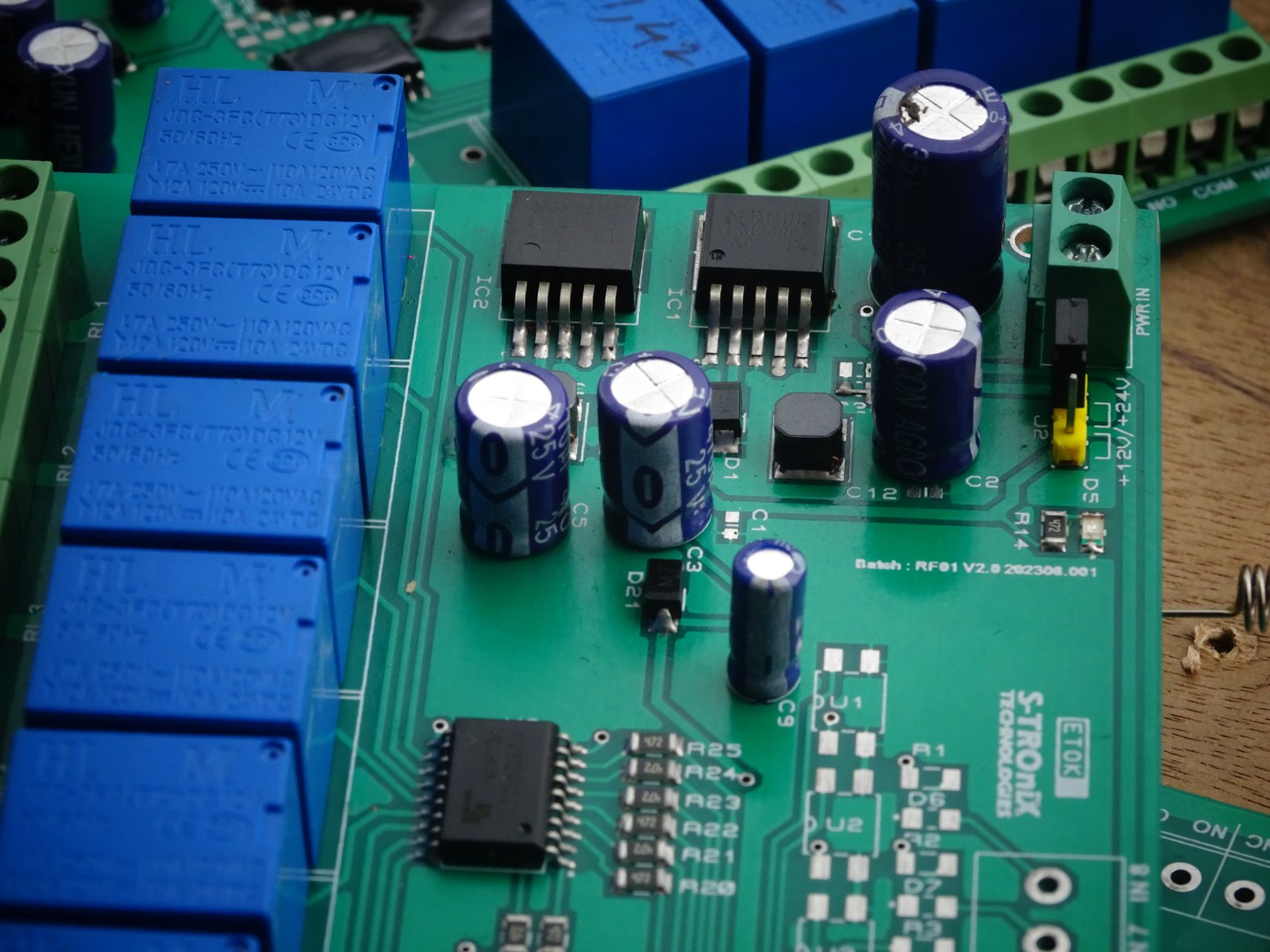
• Digital Input Matrix: Features up to 8 opto-isolated digital inputs designed to acquire state-changes from external limit switches, proximity sensors, push buttons, or PLC logic signals while protecting the core microcontroller from voltage spikes and ground loops.
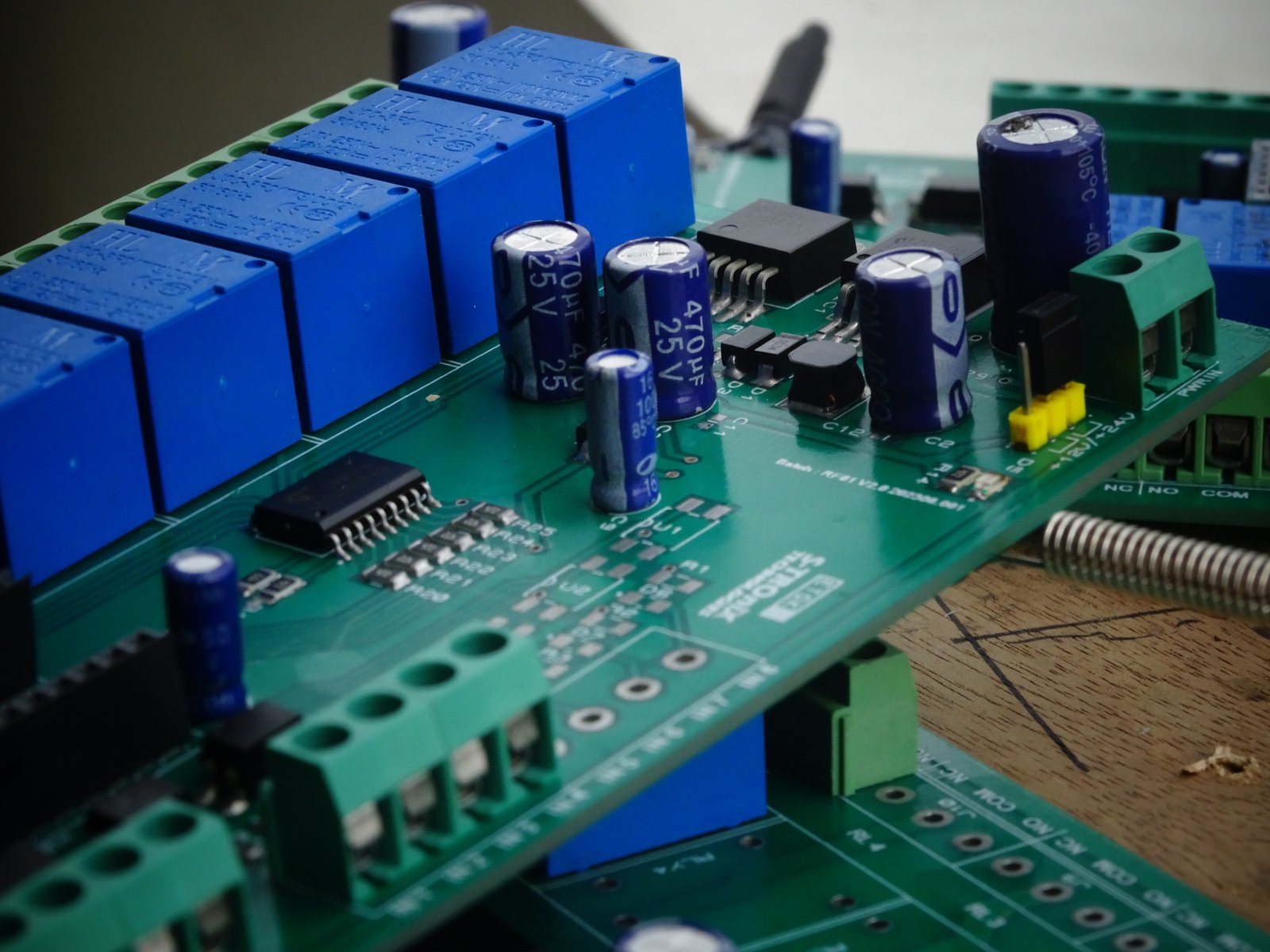
• Relay Output Stage: Equipped with 8 independent SPDT (Single Pole Double Throw) electromagnetic relays. Each relay provides dedicated Normally Open (NO), Normally Closed (NC), and Common (COM) terminals, enabling dry-contact switching and galvanic isolation for driving high-power industrial loads such as motors, solenoids, valves, and contactors.
• Configurable RF Telemetry: Utilizes a modular wireless architecture that supports multiple frequency bands (e.g., sub-GHz frequencies for high obstacle penetration or 2.4GHz for high data rates) depending on site-specific RF topology.
• Variable Range Amplification: Incorporates adjustable transmission power settings and external antenna configurations, allowing engineers to scale the operational range from short-distance indoor factory floors to multi-kilometer line-of-sight outdoor applications.
• Fail-Safe Processing: (Optional/Typical feature) Includes localized watchdog timers and signal-loss detection routines to automatically revert relays to a safe, predefined state if wireless communication is interrupted.
Industrial Applications
By eliminating the need for expensive conduit runs and trenching, this transceiver card serves as a versatile "cable replacement" solution for remote automation and monitoring:
• Remote Pump & Tank Automation: Ideal for municipal water or industrial fluid management. Digital inputs monitor remote tank float switches and wirelessly trigger the 8 relay outputs to activate pumps, valves, or alarms across expansive treatment facilities.
• Factory Floor Cable Replacement: Upgrades legacy manufacturing equipment by wirelessly linking distributed sensors and machinery to central PLCs or Andon warning lights without shutting down production lines to pull new copper wire.
• Agricultural & Irrigation Control: Deployed across large-scale farming operations to remotely trigger irrigation zones, monitor soil moisture limits, and control greenhouse ventilation motors over long distances where wiring is physically impossible.
• Heavy Material Handling: Integrated into overhead cranes, conveyor belts, and mobile heavy machinery to provide wireless emergency stop (E-Stop) feedback and operational control from safe, remote operator stations.
• Building Management Systems (BMS): Bridges isolated HVAC equipment, lighting matrices, and security perimeter gates into a centralized control hub, easily overcoming physical building barriers like concrete walls and elevator shafts through optimized frequency selection.